


Prevalence of prehypertension and associated factors among nursing students at the University of Health Sciences
- University of Health Sciences, Viet Nam National University Ho Chi Minh City
Abstract
Background: Prehypertension is an intermediate stage between normal blood pressure and hypertension and is associated with an increased risk of future cardiovascular diseases. In Vietnam, prehypertension has shown a tendency to occur at an early age; however, in-depth studies among university students remain limited. Therefore, this study was conducted to determine the prevalence of prehypertension and its associated factors among nursing students at the University of Health Sciences, providing scientific evidence for health education and early hypertension prevention programs in the university setting.
Objective: To determine the prevalence of prehypertension and identify associated factors among nursing students at the University of Health Sciences, Vietnam National University Ho Chi Minh City.
Methods: A cross-sectional descriptive study was conducted among 277 nursing students from May 2025 to December 2025. Blood pressure was measured according to a standardized protocol and classified based on the JNC 7 criteria. Demographic characteristics and anthropometric data were collected using a structured questionnaire. Data was analyzed using descriptive statistics and multivariable logistic regression.
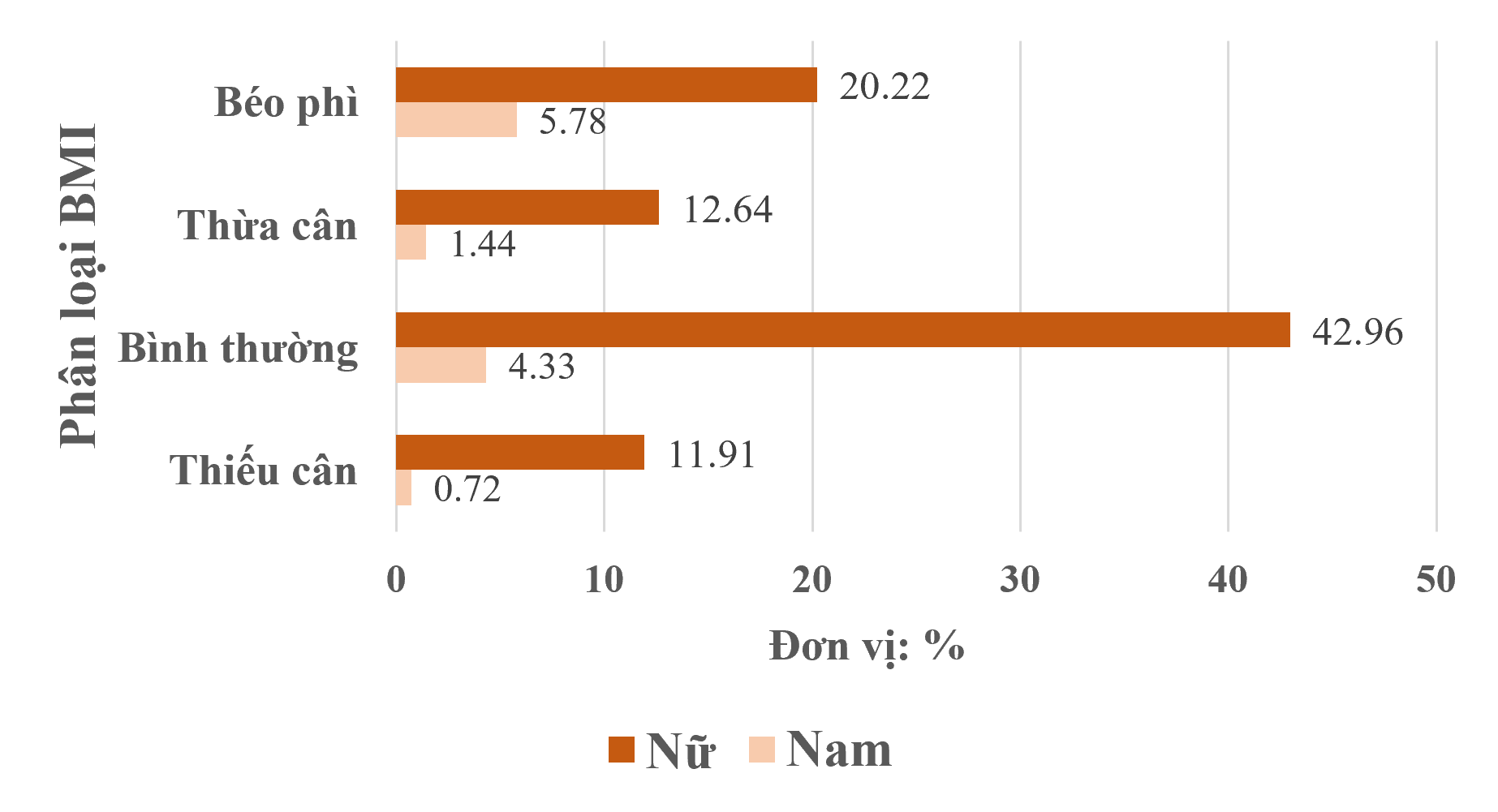
Results: Female students accounted for 87.7% of the sample, with a mean age of 19.32 ± 1.17 years. The mean systolic and diastolic blood pressure levels were higher in males than in females, and 61.8% of male students had prehypertension. Sex and body mass index (BMI) were significantly associated with prehypertension. Logistic regression analysis showed that male sex (p = 0.009) and overweight status (p = 0.018) were independent risk factors for prehypertension.
Conclusion: Prehypertension is prevalent among nursing students, particularly among males and those who are overweight. Therefore, regular blood pressure screening and early lifestyle interventions should be emphasized in the university setting to reduce the risk of progression to hypertension.