


Molecular mechanisms of post-surgical pain: an overview
- Faculty of Medicine, University of Health Sciences, Vietnam National University Ho Chi Minh City, Vietnam
- Faculty of Pharmacy, University of Health Sciences, Vietnam National University Ho Chi Minh City, Vietnam
Abstract
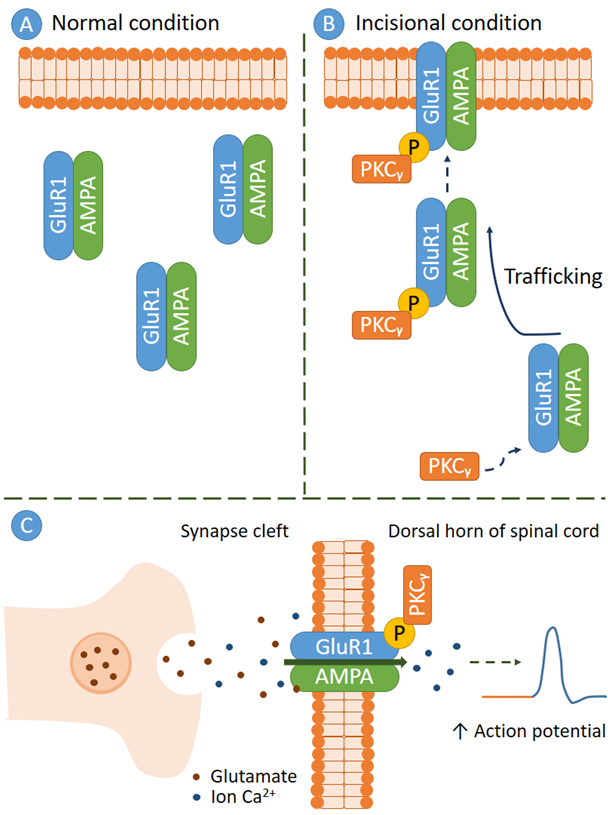
Postoperative pain (PSP) is a common challenge in clinical practice, directly affecting the recovery process, increasing the risk of complications, and being an essential factor leading to chronic pain. Despite many advances in medicine, the management of PSP is still suboptimal, mainly based on the use of opioid monotherapy, and the complexity of the pain mechanism is not fully understood. This review aims to systematize current knowledge of the pathophysiology of PSP. Pain is not a single stimulus but a dynamic process involving many closely interacting factors, including local nociceptive stimulation due to tissue damage and surgery; acute inflammatory response with the release of chemical mediators; and neurosensitization, including both peripheral and central. Central sensitization is the mechanism that explains hyperalgesia and allodynia, causing pain to spread and last beyond the initial site of injury. On that basis, multimodal analgesia is considered the gold standard. By understanding the molecular pathways that cause pain, scientists can better explain the mechanism of action of painkillers. In addition, more effective management of PSP is also the basis for developing new analgesics.