

Optimization of PCR conditions to improve efficiency of DNA analysis from Luvunga scandens (Roxb.) Wight leaves
- University of Health Sciences, Vietnam National University Ho Chi Minh City
- Vietnam National University Ho Chi Minh City
- University of Science, Vietnam National University Ho Chi Minh City
Abstract
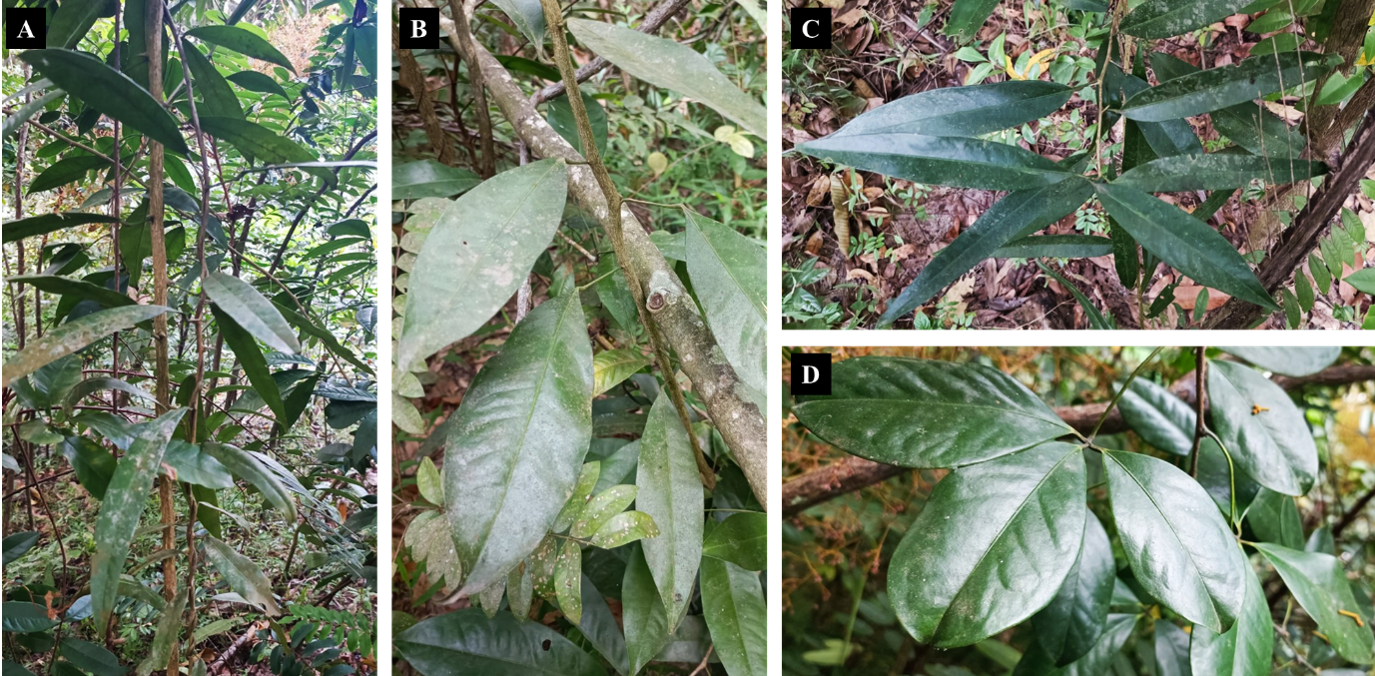
Luvunga scandens (Roxb.) Wight, commonly known as Thần xạ hương, is a valuable medicinal climbing plant in the Rutaceae family. It has been traditionally used in Vietnamese folk medicine and across Southeast Asia to treat various diseases, particularly liver disorders such as cirrhosis and ascites. Its therapeutic effects are mainly attributed to bioactive compounds like alkaloids and essential oils that possess hepatoprotective, anti-inflammatory, and detoxifying properties. However, L. scandens is frequently confused with other morphologically similar medicinal species, leading to misidentification, adulteration, and potential safety issues in herbal products. Conventional identification methods, including organoleptic evaluation and morphological characterization, often prove insufficient, especially with dried or processed materials. Therefore, DNA barcoding has emerged as a fast, accurate, and reliable molecular tool for plant species authentication. In the present study, PCR conditions were preliminarily optimized for three commonly used DNA barcode regions, namely ITS1, ITS, and rbcL, using genomic DNA extracted from the leaves of L. scandens. The results demonstrated that suitable PCR conditions for successful amplification of these regions were 35 thermal cycles and a DNA concentration of 2-4 ng/µL, which yielded the best PCR products with amplicon sizes of approximately 500 bp. Furthermore, the CTAB-based DNA extraction protocol employed in this study proved highly efficient, yielding high-quality DNA suitable for downstream applications while requiring minimal plant material. These optimized conditions provide a solid, reproducible workflow for molecular identification. The established DNA extraction and PCR protocols will support future research on species authentication, quality control of medicinal products, phylogenetic analysis, and taxonomic studies of this important plant. By enabling precise differentiation from similar species, this work contributes to the standardization and safe use of Thần xạ hương L. scandens in traditional medicine.