


Research on the clinical and microbiological characteristics of peritonsillar abscess at Ho Chi Minh City Otorhinolaryngology Hospital
- University of Health Sciences, Viet Nam National University Ho Chi Minh City
- Vũng Tàu Hospital
- Institute of Health Sciences, VinUni University
Abstract
Objective: To investigate the clinical characteristics, bacterial classification, and antibiotic susceptibility patterns of patients with peritonsillar abscess treated at Ho Chi Minh City Otorhinolaryngology Hospital.
Materials and Methods: A prospective descriptive case-series study was conducted on 61 patients diagnosed with peritonsillar abscess who required incision and drainage. Pus specimens were collected for bacterial culture and antibiotic susceptibility testing at Ho Chi Minh City Otorhinolaryngology Hospital between April 2023 and April 2024.
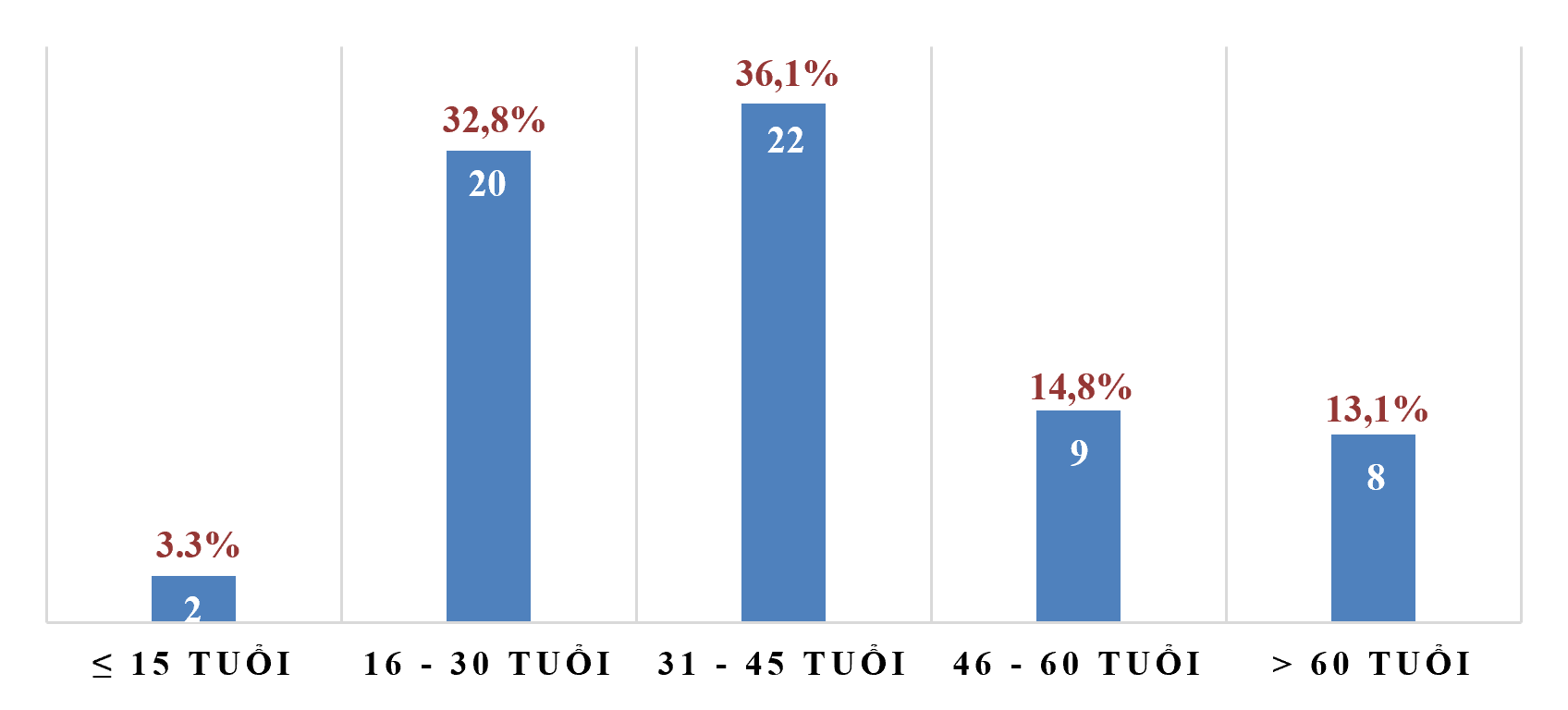
Results: Male patients predominated (70.5%), with a mean age of 37.7 ± 15.7 years. Odynophagia was the most common clinical symptom (100%). The anterosuperior type was the most frequent presentation (95.1%). The bacterial culture positivity rate was 57.4%, of which Streptococci spp. accounted for the majority (97.1%), followed by Staphylococci spp. (2.9%); no anaerobic bacteria were isolated. Streptococci spp. remained relatively susceptible to penicillin (85.2%) and cefalexin (64.7%), whereas high resistance rates were observed for trimethoprim/sulfamethoxazole (73.5%), erythromycin (61.8%), and clindamycin (55.9%).
Conclusion: Peritonsillar abscess is predominantly caused by Streptococci spp. Penicillin and cephalosporins remain appropriate empirical antibiotic choices in most cases. These findings provide updated local data to support rational antibiotic selection in the context of increasing antimicrobial resistance in Vietnam.