


Effects of non-combustible alternative tobacco products on respiratory function and chronic lung disease in adults: a systematic review: Review
- Pasteur Institute in Ho Chi Minh City
- University of Health Sciences – Viet Nam National University, Ho Chi Minh City
Abstract
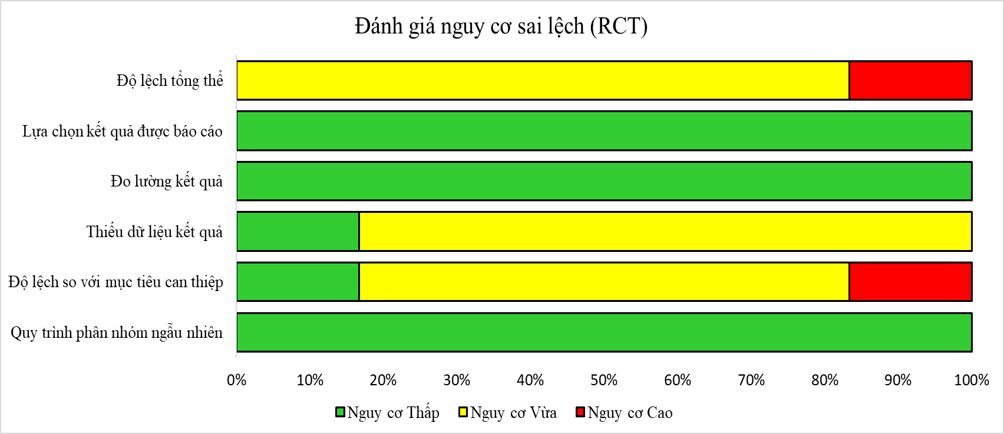
To date, complete smoking cessation remaints the best method for protecting the health of both smokers and community. However, total cessation is a major challenging and many findings indicate a high risk of failure. In such cases, non-combustible tobacco products may serve as a measure for those who continue to smoke. This research investigates differences in respiratory finction and chronic lung disease status among adult former smokers between groups: (1) continued combustible cigarette smoking, (2) complete switching to non-combustible nicotine products, and (3) complete smoking cessation. A systematic search was conducted on Pubmed, Cochrane and Google Scholar for studies reporting FEV1, FVC, FEV1/FVC ratio, COPD exacerbations, respiratory symptoms, or lung cancer. Two independent reviewers performed screening, data extraction, quality assessment (STROBE), risk of bias evaluation (RoB2.0/ROBINS-I), and reliability of evidence. The stydy protocol was registered on PROSPERO (ID: CRD420251232685). Ten articles (6 RCT, 3 cohort studies, and 1 cross-sectional study) involing over 119,000 participants, with follow-up periods from 5 days to 20 years, were included in the analysis. According to the GRADE guidelines, the evidence is considered to have a moderate to low level of relibility. Therefore, complete cessation provides the greatest benefit for respitory function and reducing the risk of chronic lung disease. There is no certainty that non-combustible products may offer some benefits compared to continued smoking, there is currently no robus evidence regarding long-term improvement in respitory function or reduction in the risk of COPD and lung cancer. Futher research is required to strengthen the evidence base.