
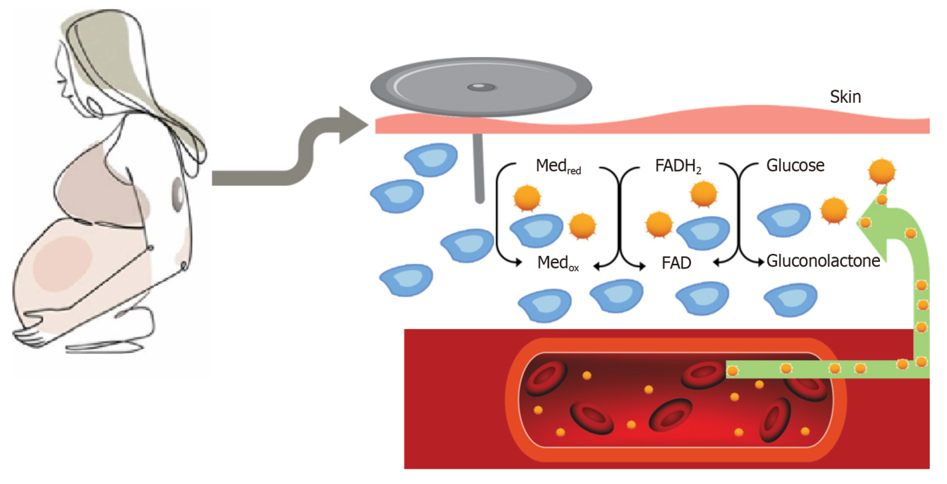


Continuous glucose monitoring (CGM) during pregnancy: significance and challenges
- University of Health Sciences, Vietnam National University Ho Chi Minh City
Abstract
Objective: This review aims to evaluate the clinical significance, accuracy, and implementation challenges of continuous glucose monitoring (CGM) in pregnancies complicated by type 1 diabetes (T1D), type 2 diabetes (T2D), and gestational diabetes mellitus (GDM). Specifically, it assesses the impact of CGM on maternal glycemic control and perinatal outcomes compared to self-monitoring of blood glucose (SMBG). Methods: A comprehensive systematic review of randomized controlled trials (RCT) and observational studies was conducted. Data were synthesized regarding glycemic targets, device accuracy (Mean Absolute Relative Difference: MARD), maternal outcomes (HbA1c, preeclampsia, gestational weight gain), and neonatal outcomes (large for gestational age: LGA, hypoglycemia, NICU admission). Results: Evidence from the CONCEPTT trial and subsequent studies confirms that real-time CGM (rt-CGM) significantly improves neonatal outcomes in T1D, reducing LGA rates and NICU admissions. For GDM and T2D, results are heterogeneous; while CGM consistently detects nocturnal hyperglycemia and reduces gestational weight gain, its impact on LGA is variable, though recent trials (GRACE) indicate significant benefits. Modern CGM devices demonstrate high accuracy in pregnancy (MARD 9.5-10.3%). Higher Time in Range (TIR) is strongly associated with reduced adverse outcomes. Conclusion: CGM is the standard of care for T1D in pregnancy, offering superior glycemic insight and improved neonatal health. Its role in GDM is evolving, showing promise for risk stratification and behavioral modification, though cost and lack of standardized targets remain barriers.